Updated By TeckWrap Craft On August 30, 2025

Crafting is an oasis where creativity and innovation join hands. Two of the common products that are used to embellish and enliven clothing are heat transfer paper and vinyl. Both are quite different from each other. Heat transfer paper is less durable than vinyl. Though it is comparatively easier to use, it does not have the versatile fabric compatibility that vinyl provides. However, with heat transfer paper, you can create complex, full-color designs and photographic images that vinyl cannot offer.
Both heat transfer paper and vinyl are unconventional materials that convey your imagination. Drastic transformations are seen in fabrics and fashion due to these. Hence they are the center of this article so that you can gain comprehensive knowledge about which one best suits your needs.
We will be digging deeper into the intricacies of these two products, what they are, how you should use them, and of course which one is better thus presenting the difference between heat transfer paper and vinyl!

| Heat Transfer Paper |
Heat Transfer Vinyl |
| Printable paper with a special coating for holding ink and transferring onto fabric upon application of heat |
Thin and flexible vinyl with an adhesive backing that bonds with the fabric when heat and pressure are applied |
| Lasts up to 25 to 30 wash cycles |
Lasts more than 50 wash cycles |
| Less durable and may fade with time |
More durable and long-lasting if premium quality vinyl is used |
| Ideal for full-color graphics and photographic images |
Perfect for solid-color and layered designs |
| The ink penetrates the fibers of the fabric hence the design does not have a raised texture |
The vinyl is layered over the fabric and has a slightly raised texture |
| Different heat transfer paper is used for light and dark-colored fabrics |
Any vinyl can be used. No restrictions on the color of the fabric |
| Do not have different finishes |
Available in different exquisite and magical finishes |
| Less expensive |
Slightly more expensive |
| Easier to use |
Slightly time consuming application process |
What Is Heat Transfer Paper?
This is a specialized paper specifically formulated to transfer images, graphics, and designs onto fabrics using heat. Unlike vinyl, the graphic seamlessly becomes part of the fabric rather than sitting on top resulting in a blended print.
While you can create numerous designs, this paper is most suited to pure fabrics or ones that are made with 100% natural fibers such as cotton or linen. The tools and investment required to create projects with heat transfer paper are minimal as all you need is a printer and a heat source along with fabric.
You may also find different kinds of heat transfer paper on the market. Some are to be used with inkjet printers, while others with laser printers. You will also have to select the right heat transfer paper for the kind of fabric you are using. Some are used with dark fabrics, while others with light-colored fabric.
What Is Heat Transfer Vinyl?
Heat transfer vinyl, commonly referred to as HTV, is a versatile material employed for crafting designs and logos on various apparel pieces. Comprising a polyurethane film coated with a heat-activated adhesive, HTV adheres seamlessly to the fabric upon application of heat and pressure, making it a superb choice for crafting personalized t-shirts, hats, and assorted clothing items.
One of HTV's primary advantages over traditional transfer paper lies in its ability to be applied to an array of fabric types, encompassing both natural and synthetic textiles. This versatility appeals to individuals seeking to revamp their attire with a unique touch. For knowing about best heat transfer vinyl check our blog.
Difference Between Heat Transfer Paper And Vinyl
Both heat transfer paper and vinyl are used to create intricate designs on compatible fabrics, but there are quite a few differences between the two. Here is a detailed description of how they are distinct from each other:
The Two Different Products
HTV is essentially a thin, flexible vinyl sheet that is cut into specific designs and then applied to the fabric with heat and pressure.
Heat transfer paper is a paper-like material coated with a heat-sensitive adhesive. Designs are printed on it using an inkjet or laser printer and then transferred to the fabric with heat.

Difference In The Equipment Required For HTV And Heat Transfer Paper
In order to professionally work with heat transfer vinyl, you will have to get the vinyl sheet or roll, an automated vinyl cutter such as Cricut or Silhouette, weeding tools like a tweezer, weeder or weeding pen, mini heat press machine, and Teflon sheet or parchment paper.
For heat transfer paper prints, you do not need a lot of tools. You should have the special transfer paper, an inkjet printer, and a heat press machine.
Which Process Is Cost-effective?
Heat transfer vinyl requires a comparatively higher investment since you will have to buy the right tools if you want to continue crafting with it in the long run. It is more time consuming as well since weeding may prove to be a bit difficult especially if your design is intricate with small pieces of negative vinyl.
Heat transfer paper does not require a lot of investment. The process is less expensive compared to vinyl. We normally have laser or inkjet printers at home. You will have to buy a heat press machine if you want a professional outcome.

Heat Transfer Paper vs Vinyl – Which Is More Durable?
Heat transfer vinyl is known for its durability and longevity. When properly applied, it can withstand multiple washes, more than 50, without significant fading or cracking. HTV designs exhibit impressive resistance to wear and tear, even in the face of repeated use and laundering. It maintains its vibrant colors and sharp edges, ensuring that your creations continue to look fresh and eye-catching.
The durability of heat transfer paper designs can vary depending on the quality of the paper and the type of fabric used. Its designs may not be as long-lasting as those of HTV, and they can fade or crack over time. If properly taken care of, a heat transfer paper design can last for 25 to 30 washes.

The Final Feel And Texture
The finished design with heat transfer vinyl can have a slightly raised texture on the fabric, and the feel may vary depending on the type of vinyl used. This is because vinyl sits on top of the fabric like a layer and does not fuse with the fibers like ink. It can be soft and flexible, but it may add some bulkiness to the fabric.
Heat transfer paper designs typically have a smoother feel on the fabric, as the ink is absorbed into the textile fibers. The design tends to be more integrated with the fabric's texture.

Fabric Compatibility
You can apply heat transfer vinyl to different types of fabrics such as cotton, polyester, and their blends. The color of the garment does not matter as well. You can think of amazing designs in contrast with light or dark fabrics and they will look superb.
This is not the case with heat transfer paper. You will have to buy the specific product for light or dark fabrics for vibrant prints.

Amazing Surface Finish
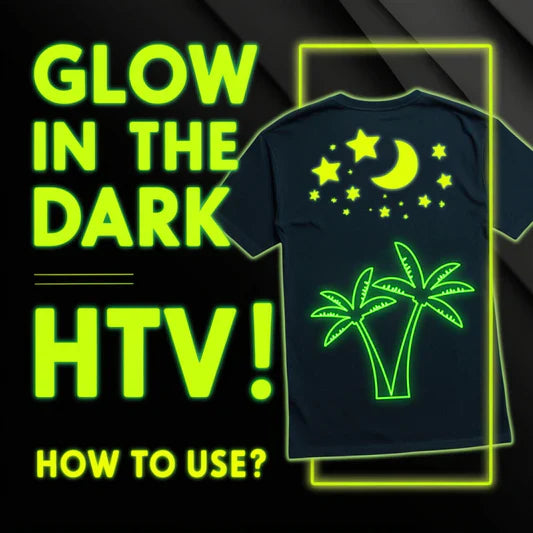
With heat transfer vinyl you get captivating finishes such as holographic, glitter, glossy, and so on. Some of them are even magical like Glow in the Dark and color changing vinyl that responds to temperature fluctuation. This is something you will not have with heat transfer paper designs.

Customization In Heat Transfer Paper And Vinyl
HTV allows for intricate and detailed designs with precision cuts and layering, making it suitable for custom graphics and branding. However, one must keep in mind that weeding intricate designs can be quite hectic and a lengthy process.
With heat transfer paper, you can create full-color, high-resolution images, and photographs, something that you will not get with vinyl. If a good printer is used, these will present exceptional detail and clarity.

Difference In The Application Of Vinyl And Heat Transfer Paper Design
These are two different processes that we present briefly below. It is easier to work with heat transfer paper than vinyl but the latter is more suitable if you want a durable design.

Process Of Applying Heat Transfer Vinyl
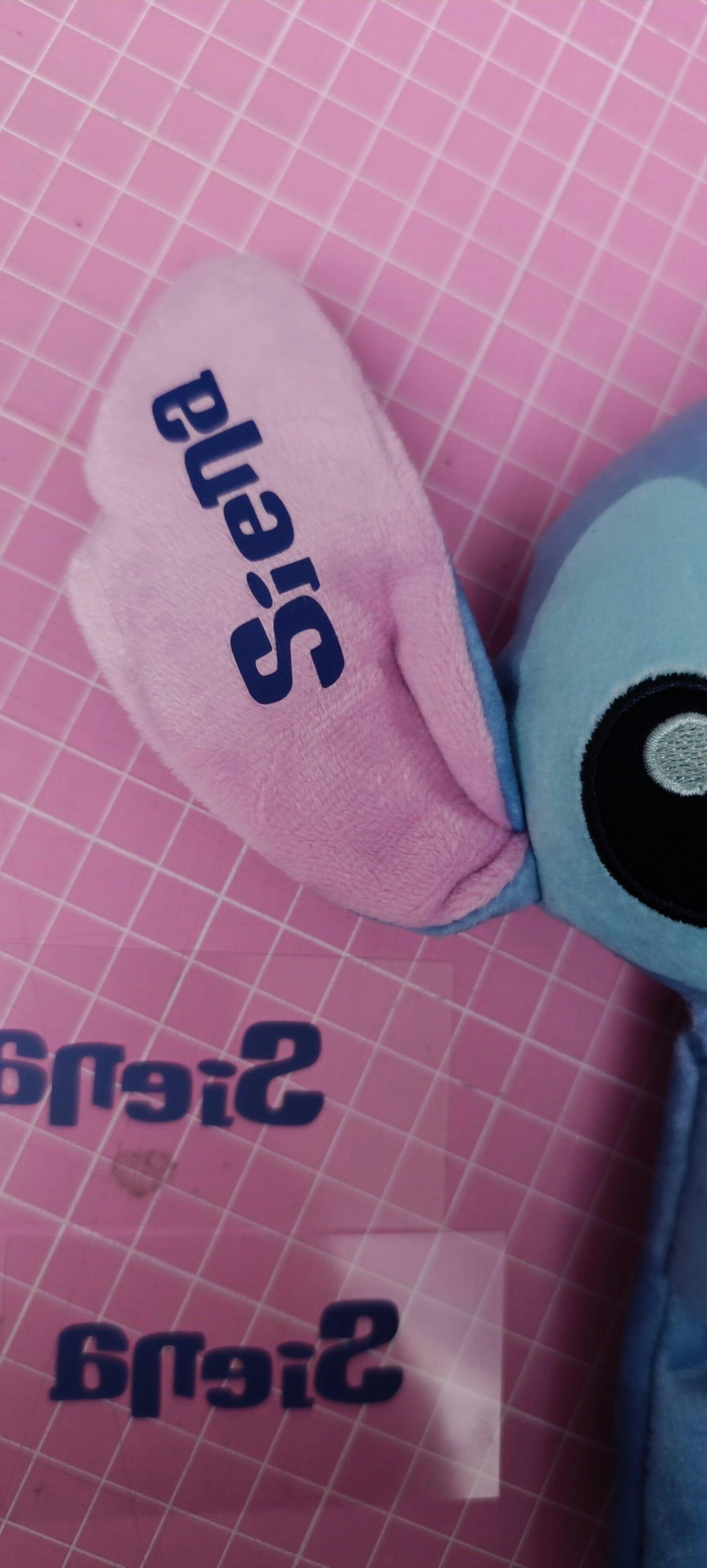
Get the finest quality heat transfer vinyl from TeckWrap Craft and finalize the design on the software that comes with the cutting machine that you are using. Reverse or mirror your image horizontally. Wash and dry the fabric to remove contaminants such as dirt and grime and pre-press it to get rid of any traces of moisture.
Cut a piece of heat transfer vinyl bigger than your design and place it on the cutting mat. Load the mat into the machine and cut the design. Once it is done, weed out negative vinyl pieces using weeding tools that your hand is set on. After this process, you should have the design that you visualized initially in front of you.

Place the vinyl design on the fabric where you want it to be, put parchment paper on top, and apply heat and pressure according to the settings appropriate for the vinyl you are using. Once the time is up, slowly remove the carrier sheet and behold the design successfully transferred onto the fabric.
Process Of Applying Heat Transfer Paper Design
Purchase the right heat transfer paper for the kind of printer you have. Use design software to finalize your design. Ensure that it's the right size and orientation for your project. Reverse or mirror your image horizontally. Print your design onto the heat transfer paper. Use the best print quality settings on your printer for the most vibrant and accurate results.
Ensure that the fabric is clean. Preheat it to remove any moisture and wrinkles. Cut the excess paper around your design using scissors. Carefully position it, image-side down, onto the fabric where you want it to be. Ensure it's centered and aligned correctly.

Follow the specific instructions provided with your heat transfer paper for the recommended temperature and duration. Allow the fabric to cool down for a few seconds then gently remove the backing paper. You will see the design printed on the fabric.
Pros And Cons Of Heat Transfer Vinyl
Heat transfer vinyl has its own set of pros and cons. Here’s what you should know regarding it:
Pros Of HTV
There are several benefits of using HTV for various projects:
- Heat transfer vinyl comes in a remarkable variety of finishes such as metallic, hologram, glow in the dark, and chrome HTV. These are available in an amazing variety of shades that allow you to add captivating physical and visual textures to your designs, making them truly unique.
- HTV opens the door to endless creative possibilities. With its range of finishes, you can achieve shiny, glittery, and other unique effects. This makes it a popular choice for personalized clothing, accessories, and promotional items. You can create unique graphics, names, and messages to suit your specific needs.
- Heat transfer vinyl also allows for layering, which means you can create complex and multi-colored designs by applying different vinyl layers on top of each other. This is especially useful for intricate or detailed designs.
- When applied correctly, HTV designs are highly durable and can withstand numerous washes without fading or peeling. This makes them an excellent choice for long-lasting custom clothing.
- One of the most significant advantages of HTV is its ability to adhere to a wide range of fabrics, including cotton, polyester, and blends. Whether you're working with natural or synthetic materials, HTV has you covered.
- HTV is not limited to clothing. You can use it on a variety of fabric-based items like tote bags, hats, pillow covers, and more. It's also suitable for crafting and home decor projects.
- HTV creates a clean and professional look on garments. The finished design typically has sharp edges and a smooth finish, making it ideal for businesses and organizations looking to create branded merchandise.
Cons Of HTV
Though this amazing crafting material has many advantages, it has a few downsides as well.
- Perhaps the most significant limitation of HTV is that it typically allows you to work with one color at a time. While you can layer vinyl to create multi-color designs, this process can be time-consuming, making it less ideal for large-scale production. You cannot also make intricate and highly detailed designs with HTV. You cannot even create photographic images with it.
- Heat transfer vinyl can add some thickness and stiffness to the fabric, which may not be ideal for all types of clothing, particularly if you want a soft and lightweight feel.
- The vinyl design, especially if it is layered, can reduce the breathability of the fabric, making it less suitable for sports or athletic wear where moisture-wicking and ventilation are crucial.
- In some cases, heat transfer vinyl design may start to peel or crack, especially if exposed to high heat or frequent stretching. This mostly happens when you use low-quality vinyl. This can result in a less aesthetically pleasing appearance. Also, HTV doesn't always have the same level of stretch as the fabric it's applied to, which can lead to cracking or peeling on stretchy garments.
Pros And Cons Of Heat Transfer Paper
Heat transfer paper is versatile and accessible which compared to heat transfer vinyl, may not be as long-lasting but is nonetheless used by many.
Pros Of Heat Transfer Paper
Here are some advantages of using heat transfer paper:
- Heat transfer paper shines when it comes to color options. Since the designs are printed directly onto the paper, you can have full-color, high-resolution printing, making it ideal for complex and detailed designs.
- Heat transfer paper is relatively easy to use and is suitable for both beginners and experienced crafters. The process does not require any cutting or weeding.
- The process of transferring a design with heat transfer paper is relatively quick. Once you have your design printed, the application typically takes just a few minutes.
- Heat transfer paper is cost-effective, especially for small runs or one-off projects. You don't need to invest in expensive equipment, and the paper itself is affordable.
Cons Of Heat Transfer Paper
Heat transfer paper also has its limitations and disadvantages that you should consider:
- Designs transferred with heat transfer paper tend to fade, crack, or peel after a few washes, making it important to select the right products and consider how often they will be worn.
- Most heat transfer papers work best on white or light-colored fabrics. For dark fabrics, you'll need special heat transfer paper designed for dark textiles.
- The quality of the final design depends on the quality of your printer. Subpar inkjet or laser printers may result in lower-resolution designs or colors that do not match the intended image.
- The size of your design is limited by the size of your printer and the heat transfer paper sheets available, which may be a drawback for large-scale or oversized projects.
Which Is Best For You - Heat Transfer Paper Or Vinyl?
The choice between heat transfer paper and vinyl ultimately hinges on your specific needs and preferences:
HTV is ideal if:
- You prefer single-color designs or smaller quantities of customized apparel.
- You want to add interesting textures and effects to your creations.
- Durability and long-lasting designs are a priority.
Heat transfer paper is preferable if:
- You have complex designs or wish to transfer photographs.
- How long the design lasts is not an issue since with heat transfer paper they won’t be that durable.
- Color versatility and customization options are essential.
In the end, whether you opt for the versatility of HTV or the color-rich possibilities of heat transfer paper, both methods offer exciting opportunities for expressing your creativity through custom apparel. Consider your requirements and make the choice that suits you best.

The Heat Transfer Vinyl At Teckwrap Craft
At Teckwrap Craft, we take our heat transfer vinyl products very seriously. Our catalog has been meticulously curated to give customers both trending and classic options to explore their imagination. Here are some of our top-selling products:
-
PU HTV: A robust and long-lasting vinyl ideal for rugged applications, retaining its vibrant appearance even after numerous washes.
-
Metallic HTV: Infuse your creations with a brilliant, reflective finish, resembling metallic foil in a flexible vinyl form. Available in Metallic Pearlescent, Metallic Chrome, and Soft Metallic Holographic variants.
-
Glitter HTV: Add a dazzling sparkle to your designs with fine glitter particles that catch and reflect light, instantly elevating the visual appeal of clothing and accessories.
-
Puff HTV: Create a distinctive, textured look with heat-activated additives that expand, resulting in a raised, three-dimensional effect on the fabric.
-
Galaxy HTV: This multi-colored vinyl showcases a stunning galaxy pattern with specks of white resembling stars.
-
Chameleon HTV: Inspired by the color-shifting chameleon, this vinyl exhibits a two-toned appearance that transitions seamlessly when viewed from different angles.
-
Reflective HTV: Stand out in low-light conditions with this vinyl's unique appearance, offering enhanced visibility and safety.
-
Flock HTV: Enjoy a velvety, textured finish, perfect for adding depth and dimension to apparel.
-
Glow in the Dark HTV: This vinyl absorbs light and emits a soft glow when in darkness, adding a touch of magic to your designs.
-
Color Changing HTV: Watch in awe as this vinyl shifts colors based on temperature fluctuations or exposure to UV light, making it perfect for creative and innovative projects.
-
Patterned HTV: Elevate your designs with professionally crafted patterns, eliminating the need for complex layering or intricate cutting. Choose from a wide array of designs all present on our website.
Frequently Asked Questions
Q. Can I use a household iron in place of the heat press machine?
Yes, you can use the household dry iron in place of the heat press machine. Place the fabric on a hard surface and not on the ironing board as you will need to apply pressure. Set the iron on cotton/linen. Having said that, it is important to mention that you might not get the same professional result as you do with a heat press. Also, you will have to gauge the right amount of pressure that has to be applied which might and might be correct.
Q. How do you wash clothing with HTV or heat transfer paper designs?
While specific care instructions may vary from manufacturer to manufacturer, it is important to follow them so that you get the most out of your designs. Typically, washing garments inside out and using cold water is recommended for both HTV and heat transfer paper designs. Machine washing, bleaching, and use of harsh detergents is not recommended.
Q. How many layers of HTV can you do?
You can do up to four layers of standard PU heat transfer vinyl film. Special HTV films like glitter or holographic can only be used as the top layers.
Heat Transfer Paper vs Vinyl – The Final Verdict
In conclusion, the choice between heat transfer paper and heat transfer vinyl hinges on your unique crafting needs and preferences. Ultimately, whether you opt for the flexibility of HTV or the seamless application of heat transfer paper, both methods offer exciting opportunities for crafters.
The best part is that you can find all the equipment and materials you need under one roof at TeckWrap Craft. We take pride in offering a wide variety of heat transfer products to cater to your crafting needs. By harnessing these materials and unleashing your creativity, you can craft unique and personalized apparel that truly stands out. Happy crafting!